
STEM Integration Through Project-Based Learning (PBL)

Ross, M. & Rae, N. (2026). STEM Integration Through Project-Based Learning (PBL).

Follow the workbook in order, or decide where to begin based on your schools’ needs:

  • Need a shared understanding of what high quality PBL looks like? Use Tool #1: Building Shared Foundations
  • Feeling unprepared to design and facilitate PBL experiences? Use Tool #2: Building Capacity
  • Need help turning an isolated PBL effort to a sustainable schoolwide model? Use Tool #3: Building a Collaborative Ecosystem
  • Need help planning a STEM integrated PBL? Use Tool #4: Building an Integrated Plan
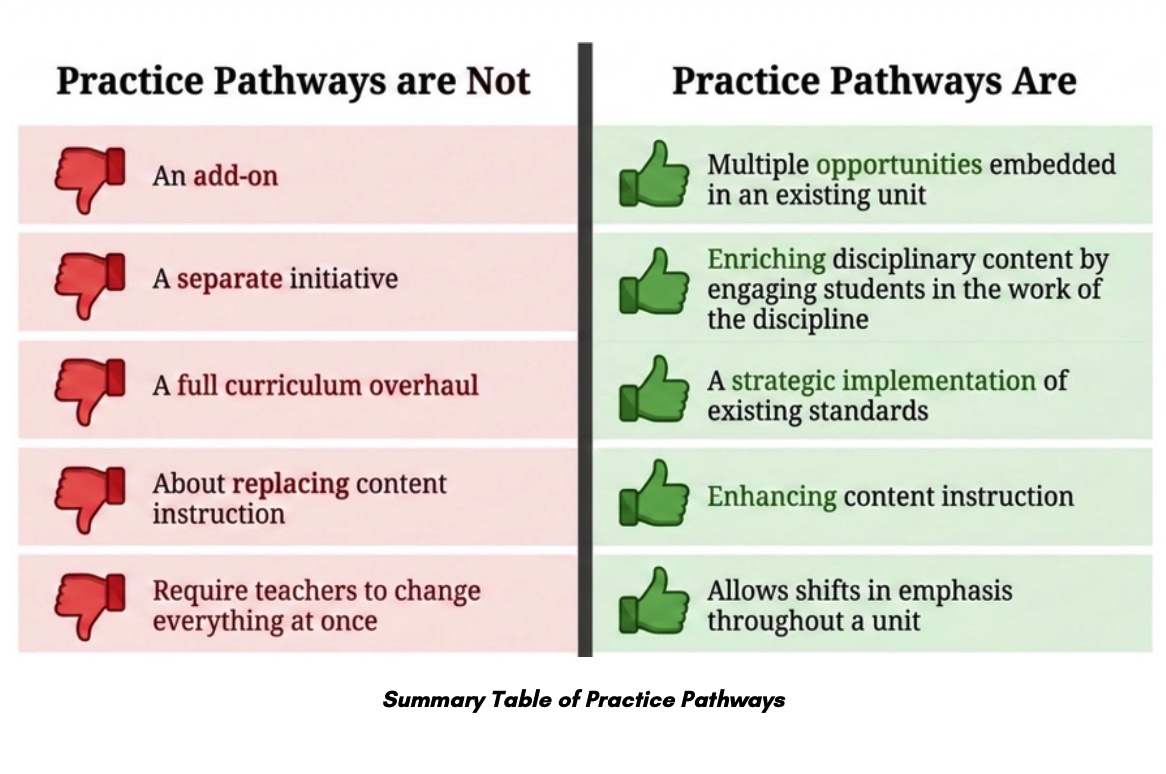
Beyond Content: Preparing Students to Solve, Communicate, and Lead with Practice Pathways

DiMaria, S. & Davis, C. (2026). Beyond Content: Preparing Students to Solve, Communicate, and Lead with Practice Pathways.

This brief provides instructional coaches and teachers in established Project Based Learning schools, with the grounding needed to explain why focusing on disciplinary practices through Practice Pathways supports deeper student learning and guidance on incorporating these practices into unit and project design.

Facilitating Teacher Thinking on Cultivating Third Spaces in STEM Classrooms

Ehrmann, A., & Sushil, S. (2026). Facilitating Teacher Thinking on Cultivating Third Spaces in STEM Classrooms

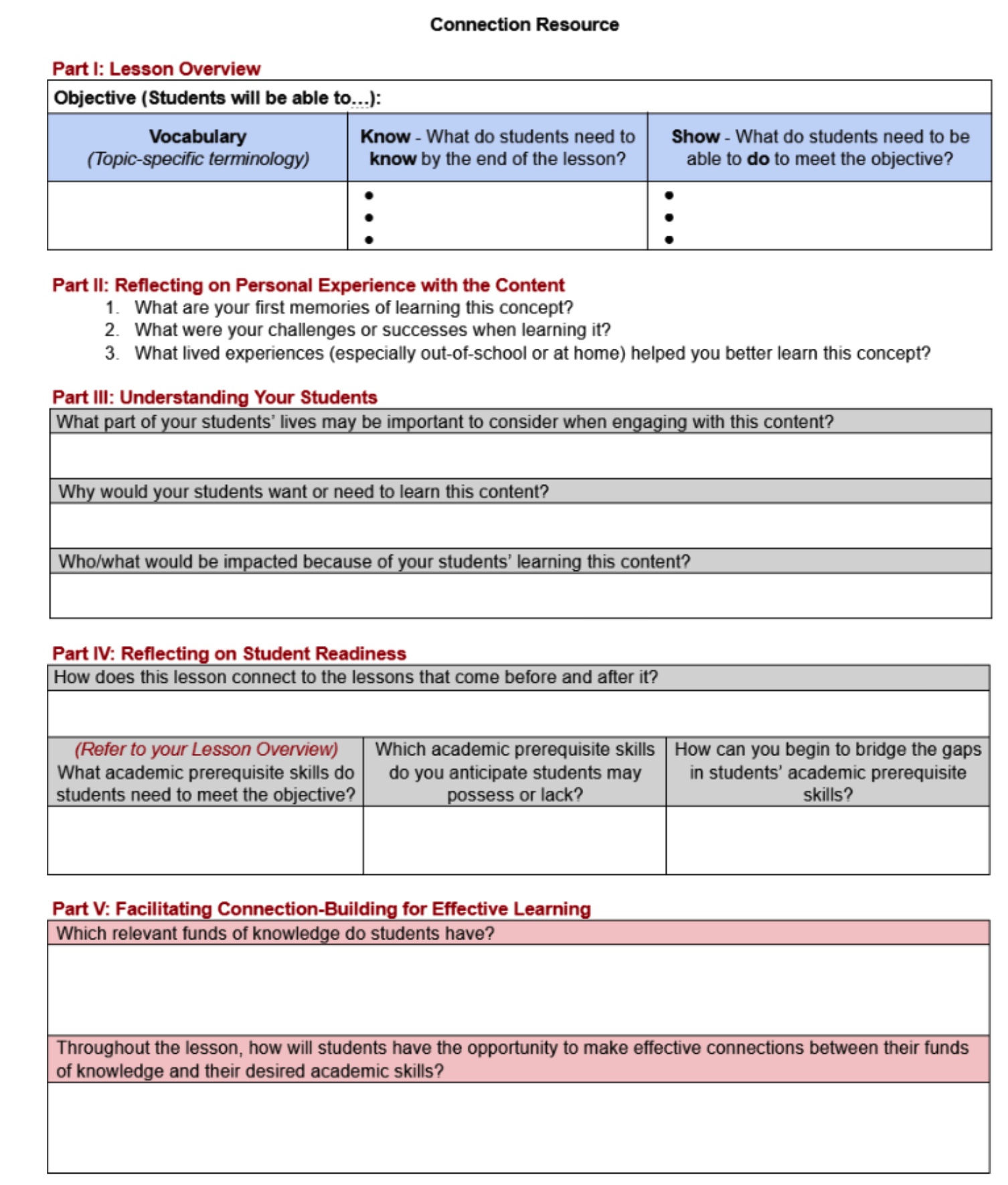
This brief presents a resource (Appendix A) to help teachers consider the relevant funds of knowledge that they and their students bring to learning the content (Moll et al., 2006). This resource can also serve as a guide for coaching conversations in which teachers reflect on their practice and effectiveness
through a culturally-responsive lens (Gay, 2018; Ladson-Billings, 2023). We hope readers will use the resource presented here to guide their teaching and/or coaching to leverage students’ funds of knowledge and to cultivate third spaces in the classroom where teachers bring together and extend students’ home, community, and school experiences (Gutiérrez, 2008).

NSF logo

This material is supported by National Science Foundation awards #2300618 and #2300619. Any opinions, findings, conclusions, or recommendations are those of the authors and do not necessarily reflect the views of NSF.

Contact Us