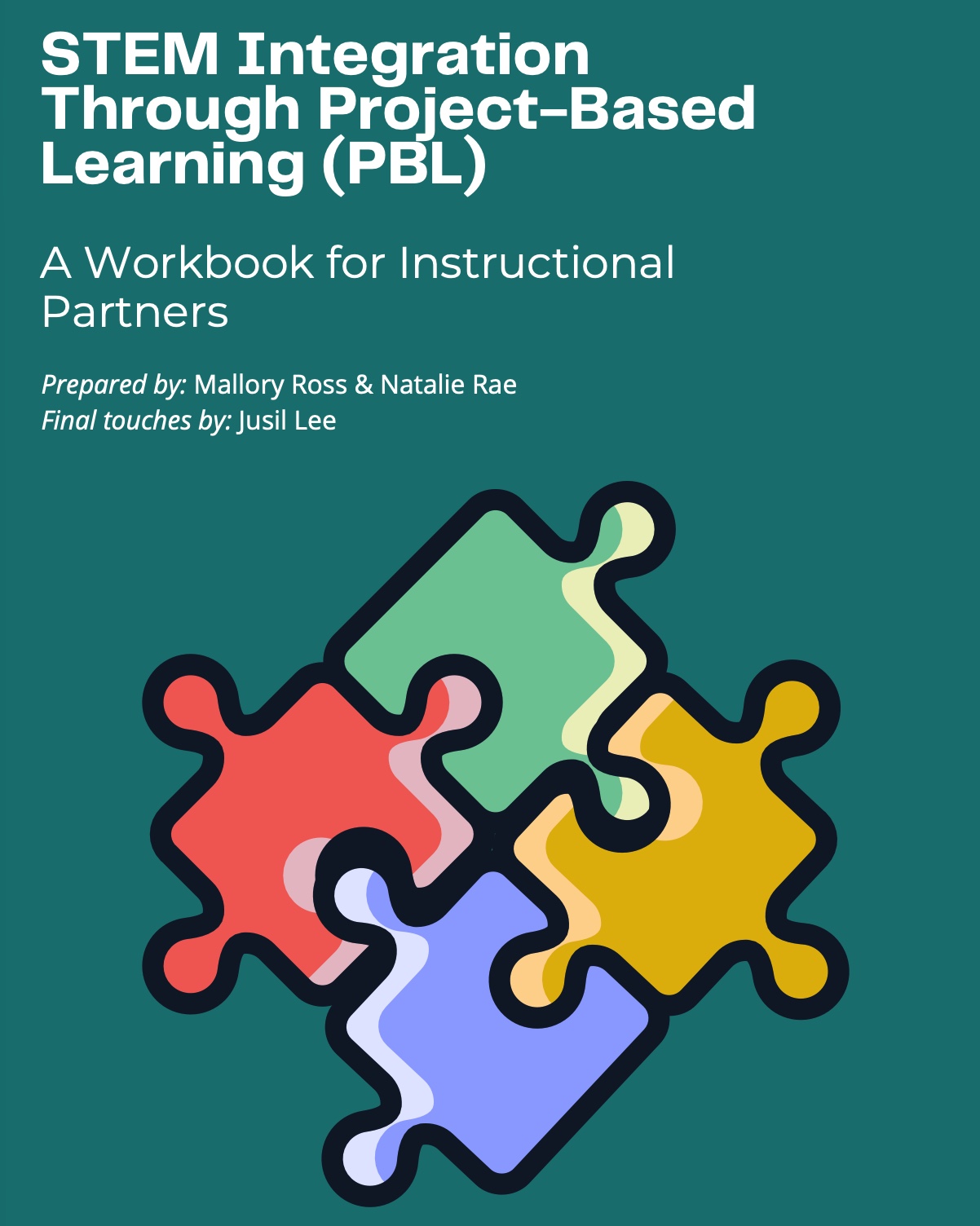

STEM Integration Through Project-Based Learning (PBL)

Ross, M. & Rae, N. (2026). STEM Integration Through Project-Based Learning (PBL).

Follow the workbook in order, or decide where to begin based on your schools’ needs:

  • Need a shared understanding of what high quality PBL looks like? Use Tool #1: Building Shared Foundations
  • Feeling unprepared to design and facilitate PBL experiences? Use Tool #2: Building Capacity
  • Need help turning an isolated PBL effort to a sustainable schoolwide model? Use Tool #3: Building a Collaborative Ecosystem
  • Need help planning a STEM integrated PBL? Use Tool #4: Building an Integrated Plan
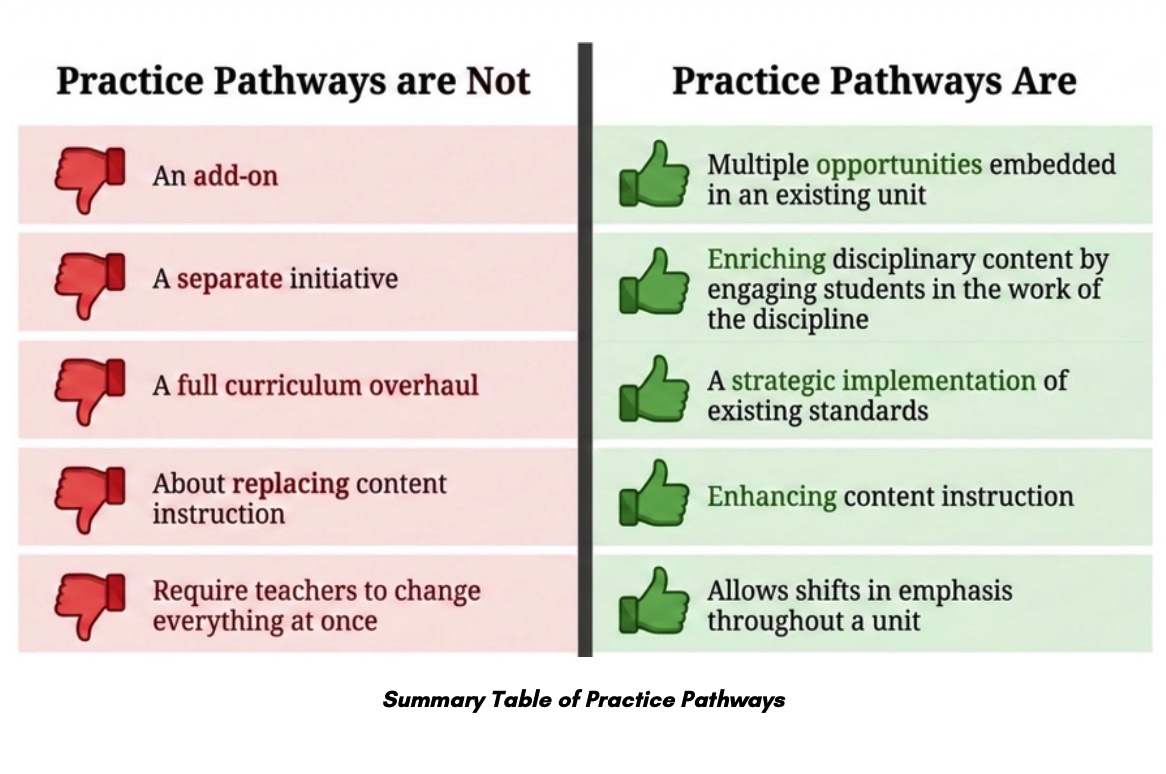
Beyond Content: Preparing Students to Solve, Communicate, and Lead with Practice Pathways

DiMaria, S. & Davis, C. (2026). Beyond Content: Preparing Students to Solve, Communicate, and Lead with Practice Pathways.

This brief provides instructional coaches and teachers in established Project Based Learning schools, with the grounding needed to explain why focusing on disciplinary practices through Practice Pathways supports deeper student learning and guidance on incorporating these practices into unit and project design.

Tech with Intent: A Digital Mentor Guide

Hightower Herron, S., & Ullah, T. (2026). Tech with Intent: A Digital Mentor Guide.

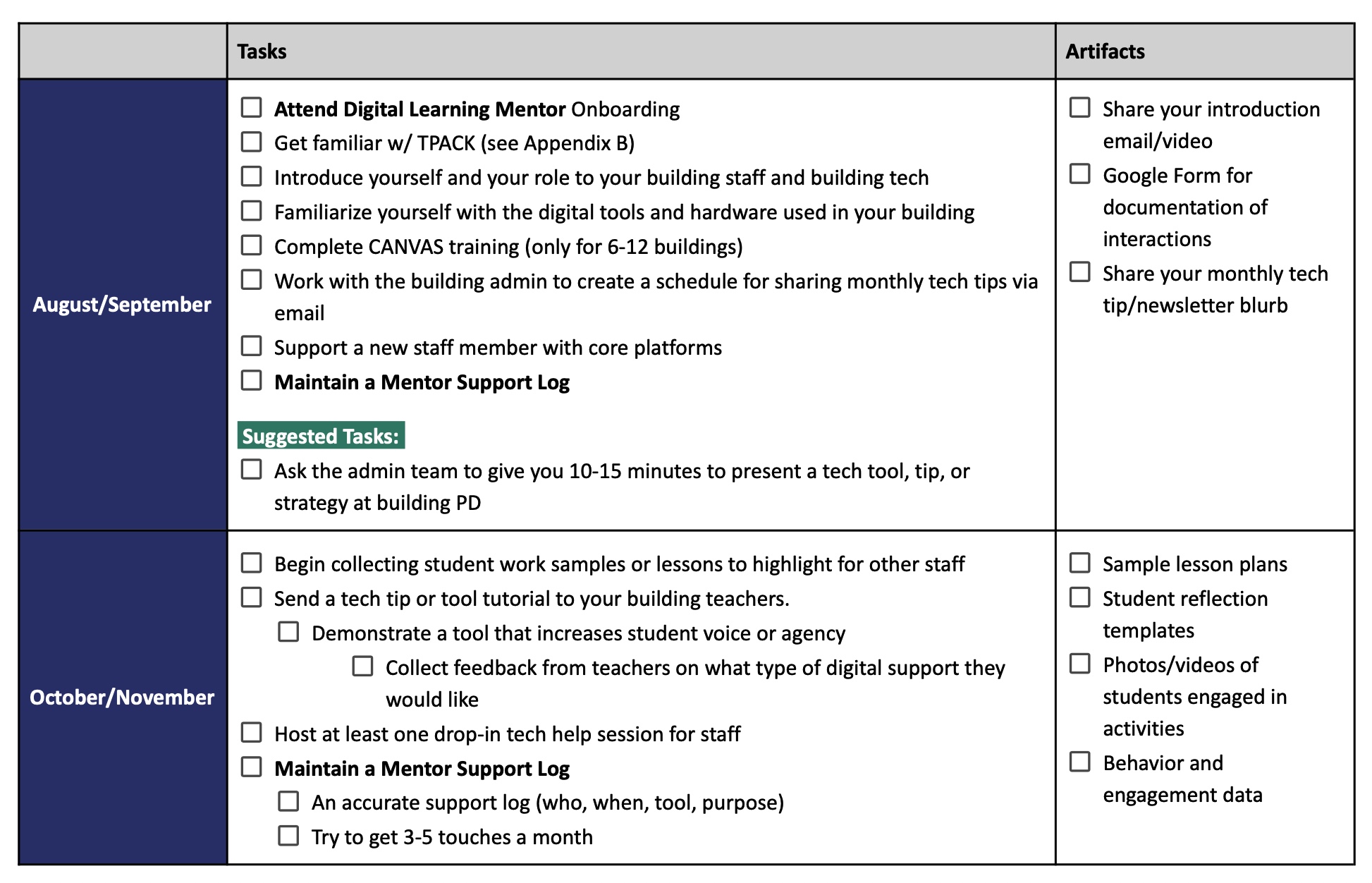
This research brief addresses a problem of practice in a public school setting that supports the integration of instructional tools into K-12 classrooms, specifically the district’s limited technology integration support. To solve this challenge, this brief outlines goals, objectives, and an actionable year
long guide for building capacity for digital mentors to consistently support teachers in integrating technology into instruction. The brief provides the guide with a grounding in research that supports high norms of professional learning community practices and the implementation of Technological Pedagogical Content Knowledge (TPACK) to the participants in this work. The research brief frames how
the guide addresses role expectations, support structures, resources, instructional intents, and accountability measures for the 2026-2027 school year.

Educational AI Implementation Guidelines

Mays, M., & Harper, A. (2026). Educational AI Implementation Guidelines.

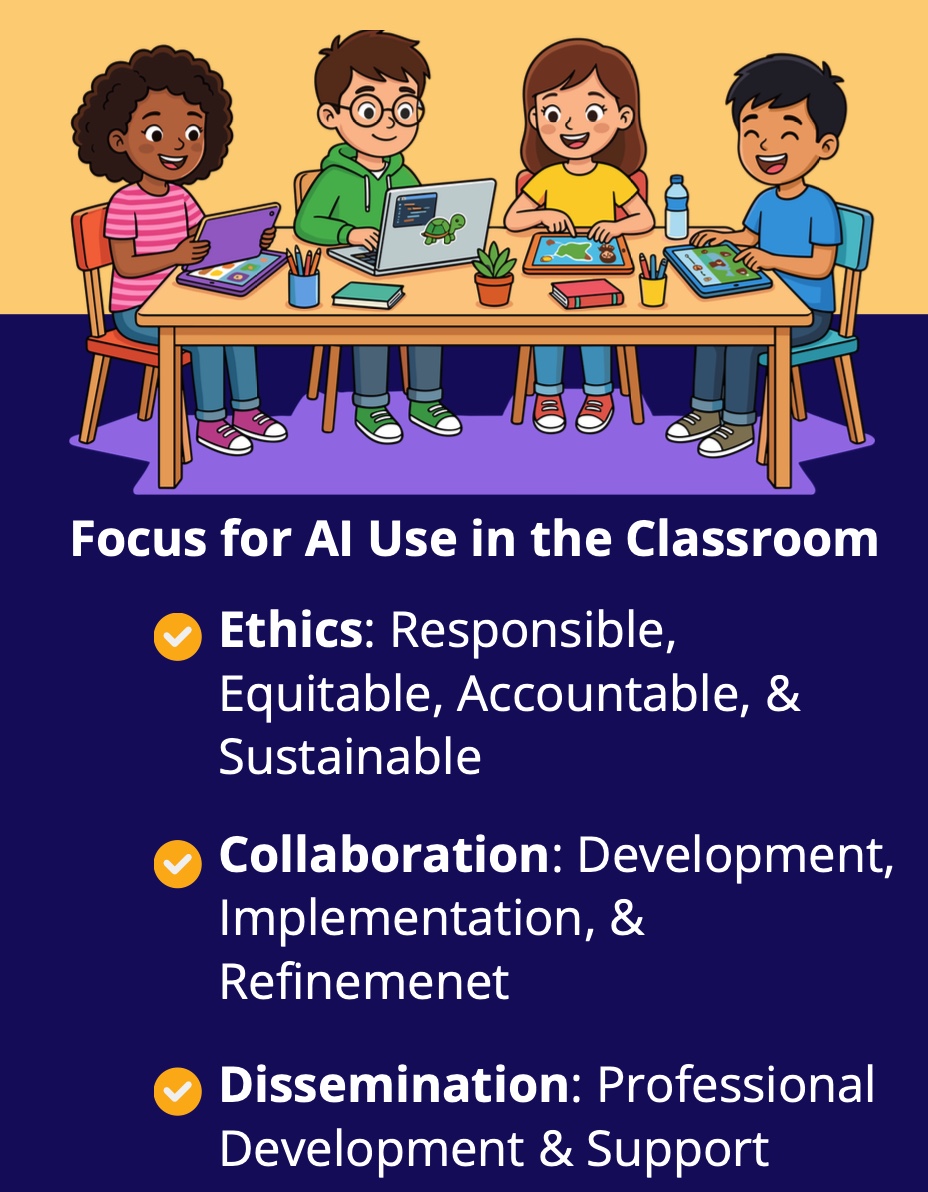
As the AI landscape continues to expand, schools are developing policies and procedures to ensure learning environments and their stakeholders (i.e., Leaders, teachers, instructional coaches, parents, and students) are adequately prepared for the future. In doing so, schools need to be equipped with strategies and resources to support the ethical use of AI tools. In this way, this research practice brief provides structured guidelines to assist teachers in implementing AI tools in the classroom. Overall, these guidelines have been developed to promote an inclusive and adaptable learning environment for students (Lee & Kwon, 2024; Gu & Ericson, 2025).

Beyond AI Adoption: Building an AI Instructional Ecosystem Through Instructional Coaching

Sadik, O., & De Los Reyes, J. (2026). Beyond AI Adoption: Building an AI Instructional Ecosystem Through Instructional Coaching.

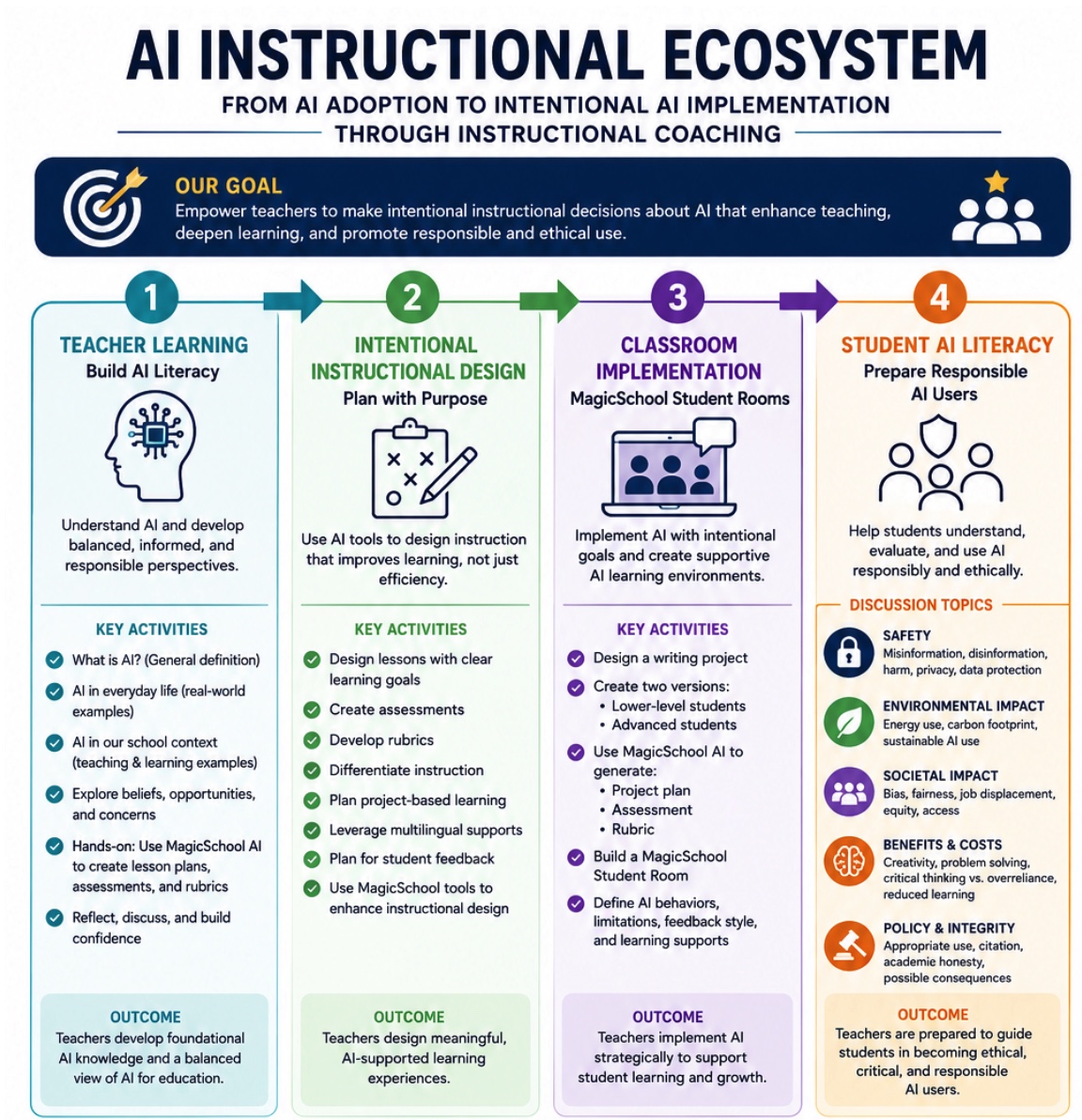
This Research Practice Brief presents the AI Instructional Ecosystem, a coaching-supported professional learning framework designed to move schools from AI adoption toward intentional AI
implementation. Rather than centering technology, the framework positions instructional coaching as the mechanism through which teachers develop AI literacy, design meaningful AI-supported instruction, implement AI purposefully, and cultivate responsible AI literacy among students.

The framework is intentionally adaptable to future technologies because it emphasizes instructional
principles rather than specific AI platforms.

Best Practices for AI-Supported Lesson Planning: A Research Practice Brief for Teachers New to AI Infographic

Cannon, N. & Burris, S. (2026). Best Practices for AI-Supported Lesson Planning: A Research Practice Brief for Teachers New to AI Infographic.

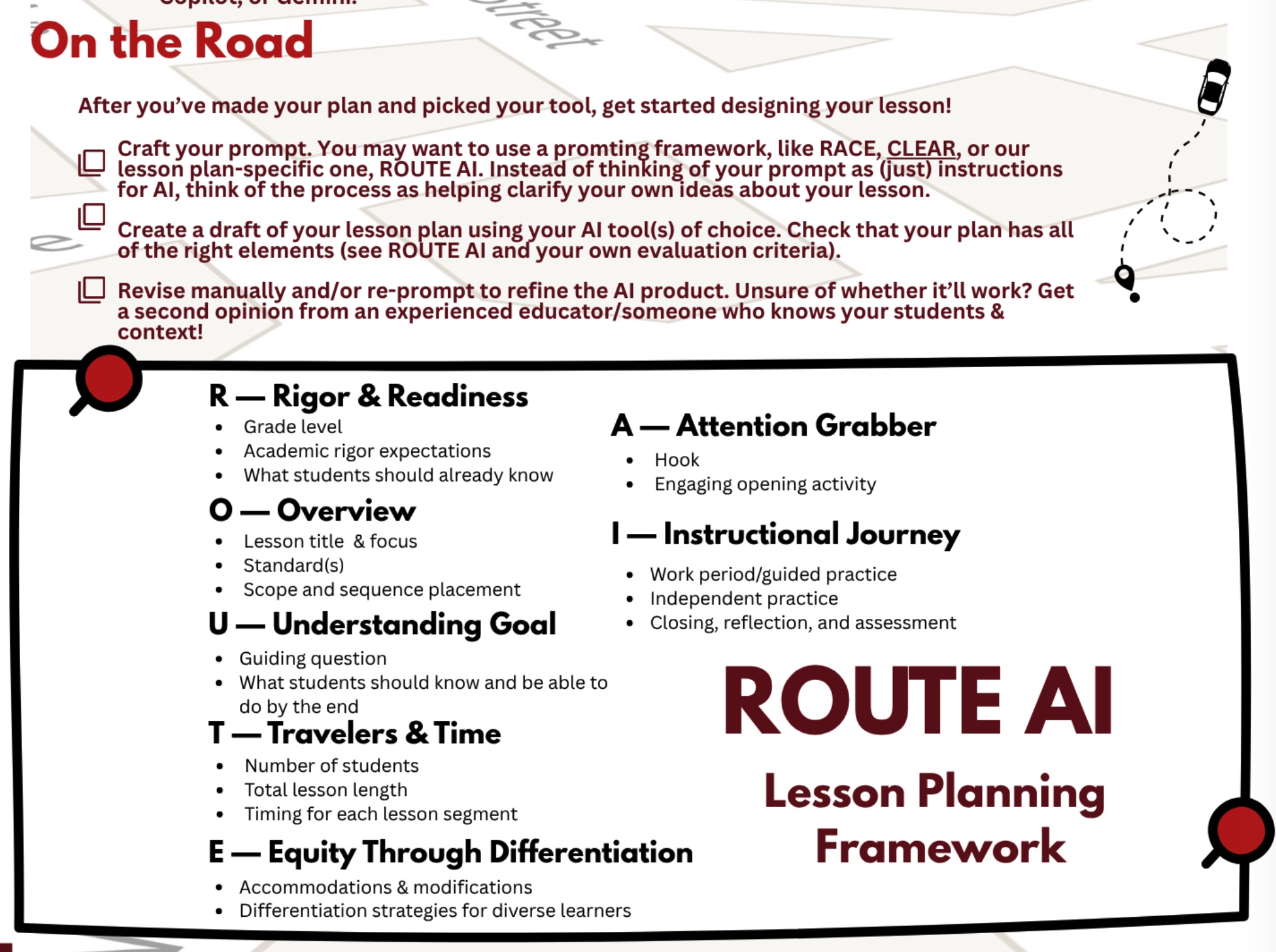
This brief is designed to support teachers who are new to AI in their exploration of incorporating–or
making decisions not to use–AI in their teaching practice. In this document, we focus on lesson planning as the teaching activity, but this is just one way that teachers may seek to use (or not use) AI. We hope that some of the processes we describe can also apply to other teaching tasks (e.g., assessment), though the details may look a little different depending on the task, teaching context, and students. It is guided by questions like these:

  • What should teachers know about AI in order to use it ethically and effectively?
  • What should teachers do to ethically and effectively use AI to support their teaching practice?
  • How might AI guidance and support need to be adapted for educators with varying levels of
    teaching experience and across different educational settings?

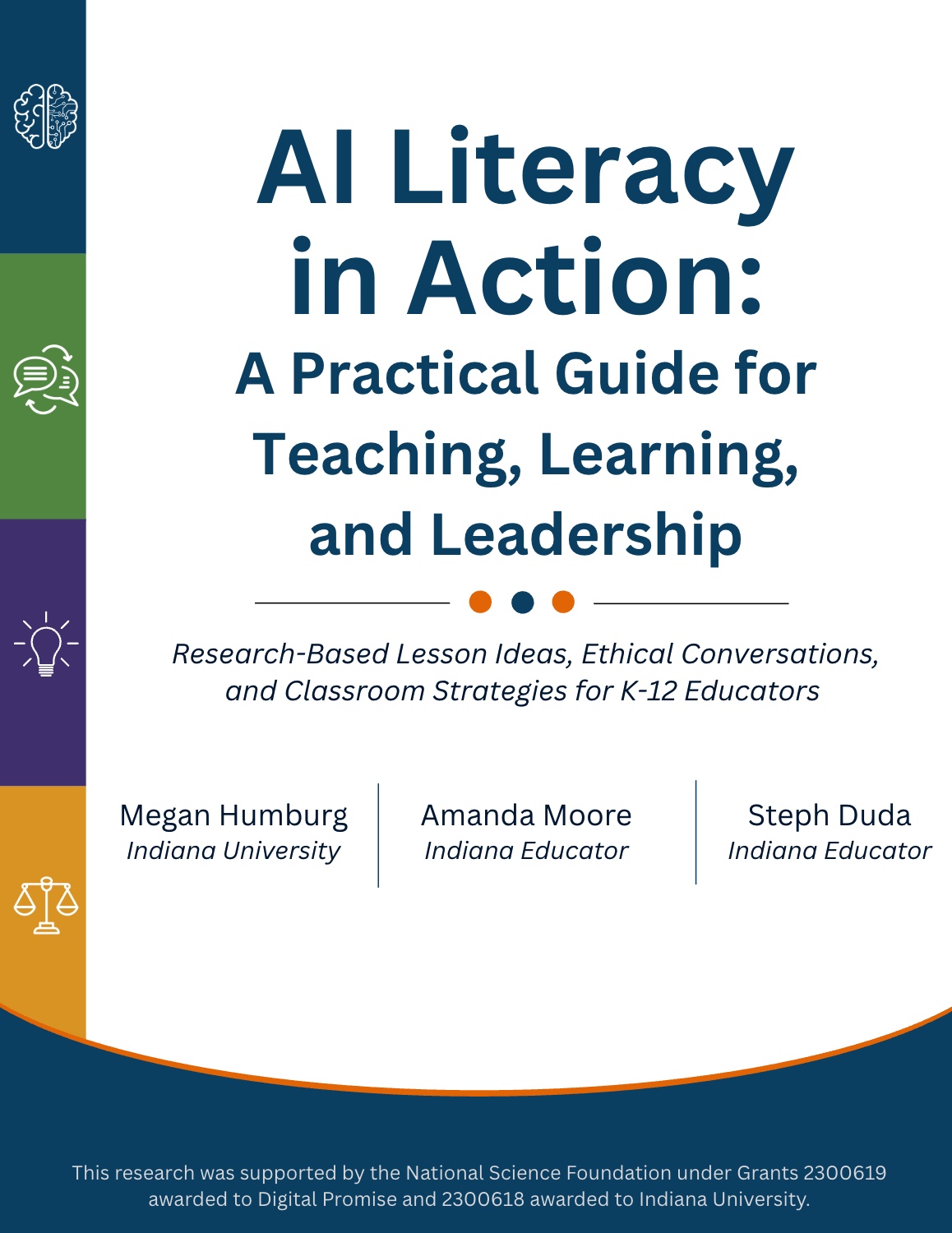
AI Literacy in Action: A practical guide for teaching, learning, and leadership

Humburg, M., Moore, A. & Duda, S. (2026). AI Literacy in Action: A practical guide for teaching, learning, and leadership.

AI is an umbrella term encompassing many different types of artificial intelligence. While there are many benefits to using AI tools, it is still a growing field, and there are limitations to what current AI models can do for us. Explore this resource to learn
about three types of AI, how they integrate into our work and lives, as well as strengths and weaknesses that we should consider when using each type of AI.

NSF logo

This material is supported by National Science Foundation awards #2300618 and #2300619. Any opinions, findings, conclusions, or recommendations are those of the authors and do not necessarily reflect the views of NSF.

Contact Us