Teacher Brief: Collaborating for Effective Technology Integration
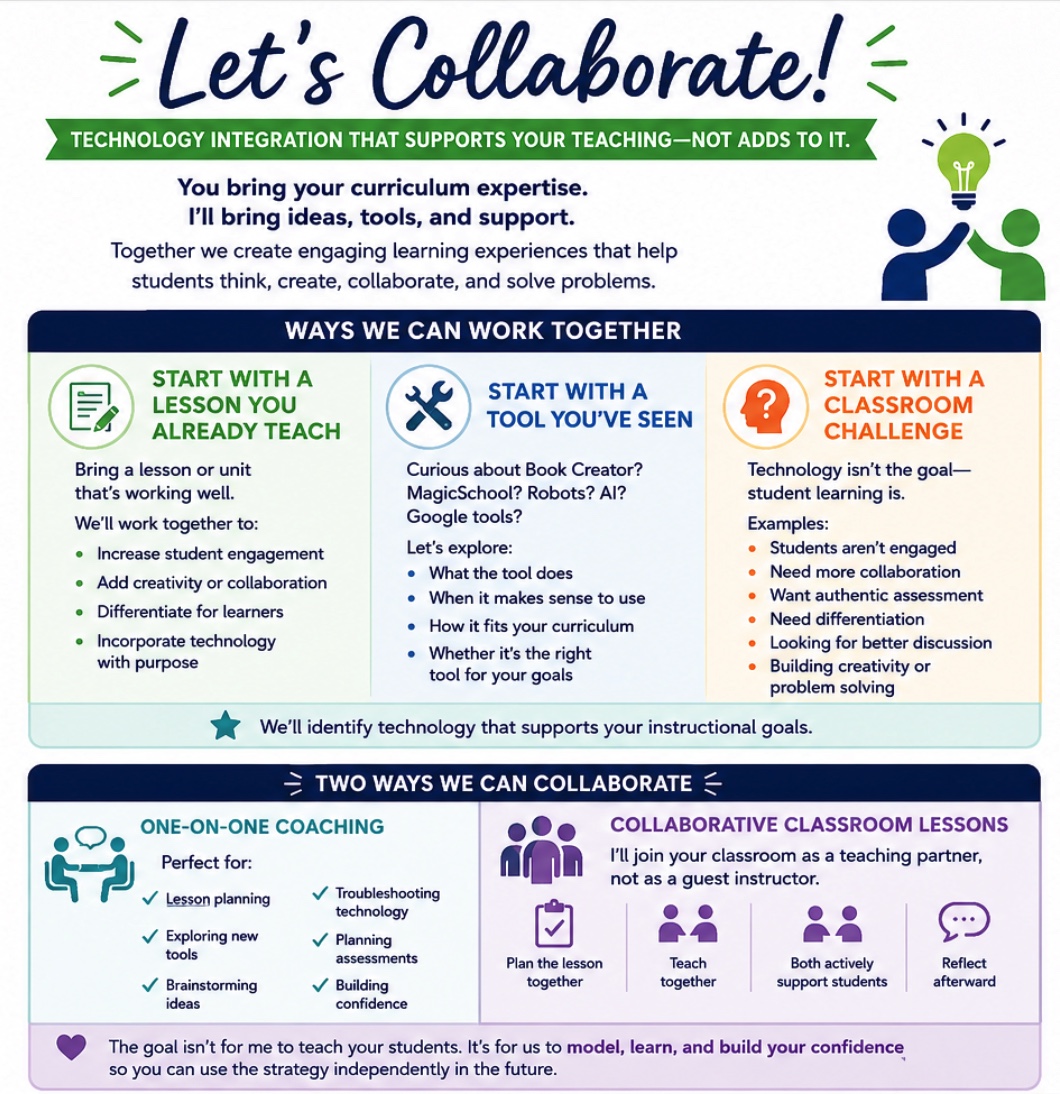
Lescault, T. & Codding, D. (2026). Collaborating for Effective Technology Integration. Technology integration is most effective when it is purposeful, collaborative, and connected to student learning goals. Collaboration between teachers and instructional technology specialists, coaches, librarians, curriculum leaders, and colleagues can help educators identify meaningful ways to use technology that enhance learning rather than simply … Read more
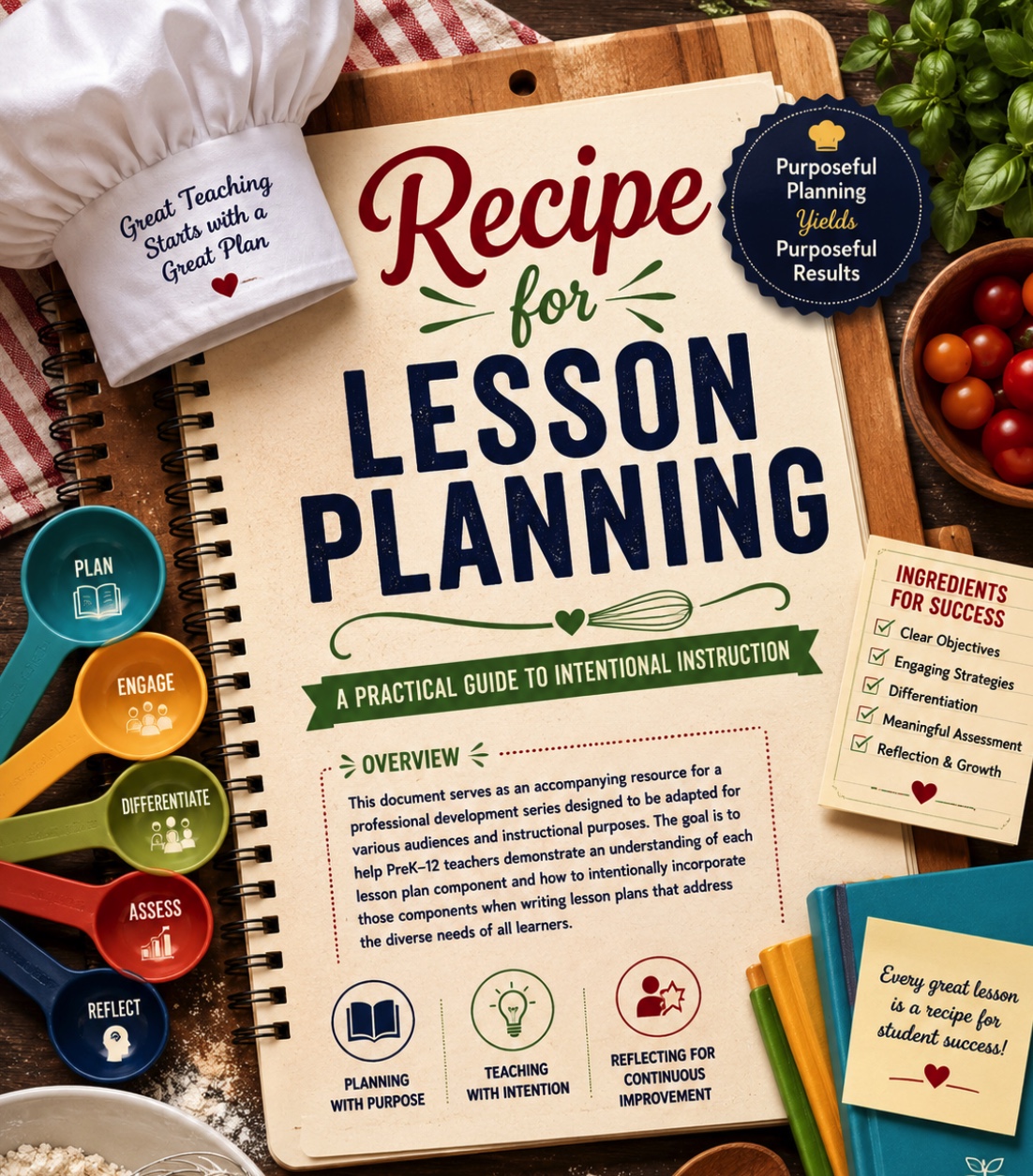
Recipe for Lesson Planning

Yeadon, B., & Kelley, C. (2026). Recipe for Lesson Planning. Just as a master chef follows a recipe while adding creativity and expertise, effective teachers use intentional planning to create meaningful learning experiences. A lesson plan is more than a schedule of activities, it is likely a carefully crafted recipe that blends essential ingredients such … Read more

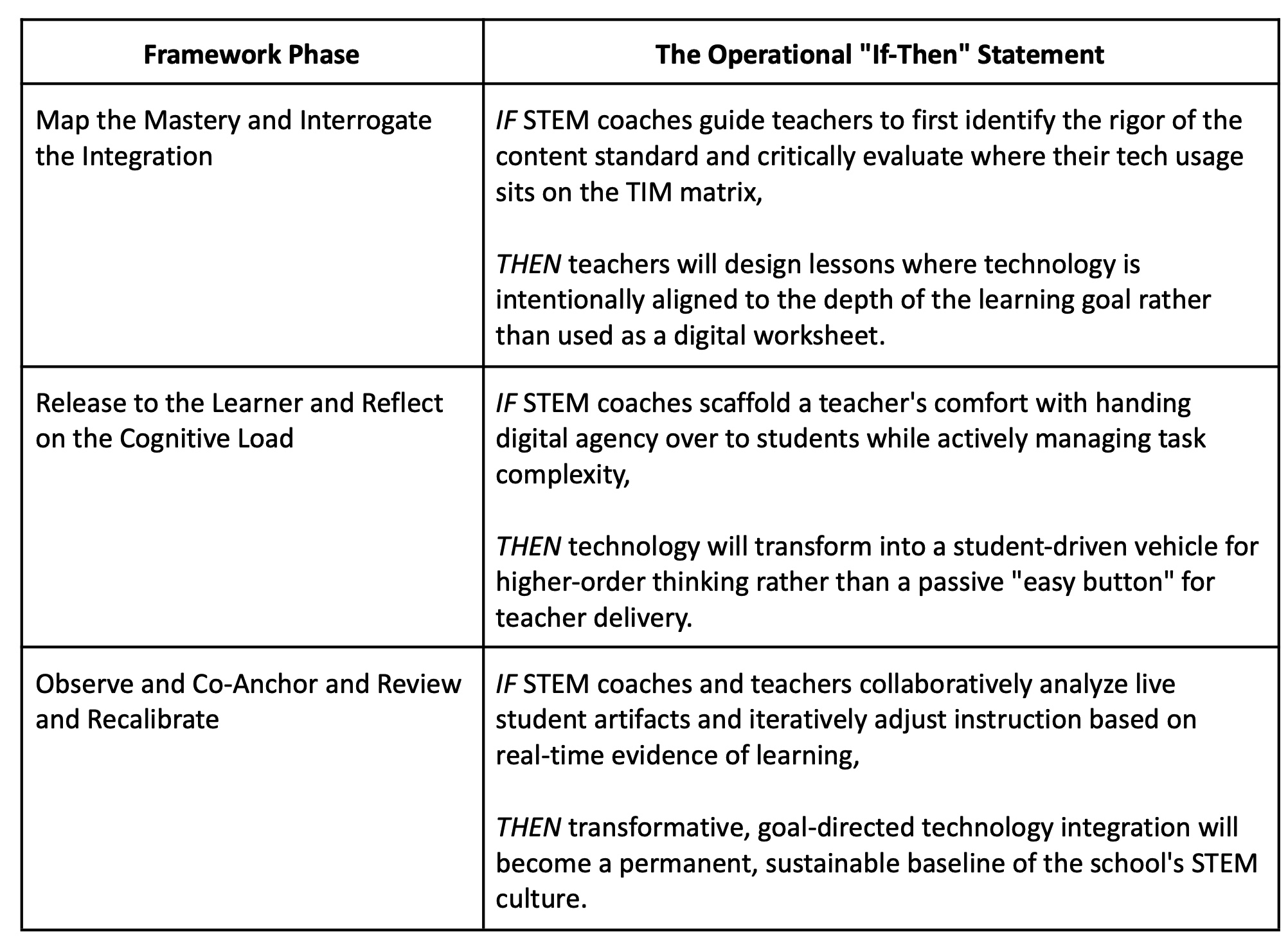
The MIRROR Framework

Taylor, L., & Shimoda, T. (2026). The MIRROR Framework. The MIRROR Framework (Map the mastery, Interrogate the integration, Release to the learner, Reflect on the cognitive load, Observe and co-anchor, Review and recalibrate) is a multi-tiered coaching blueprint for STEM instructional coaches. It helps them shift the classroom conversation from “What app/program are we using … Read more

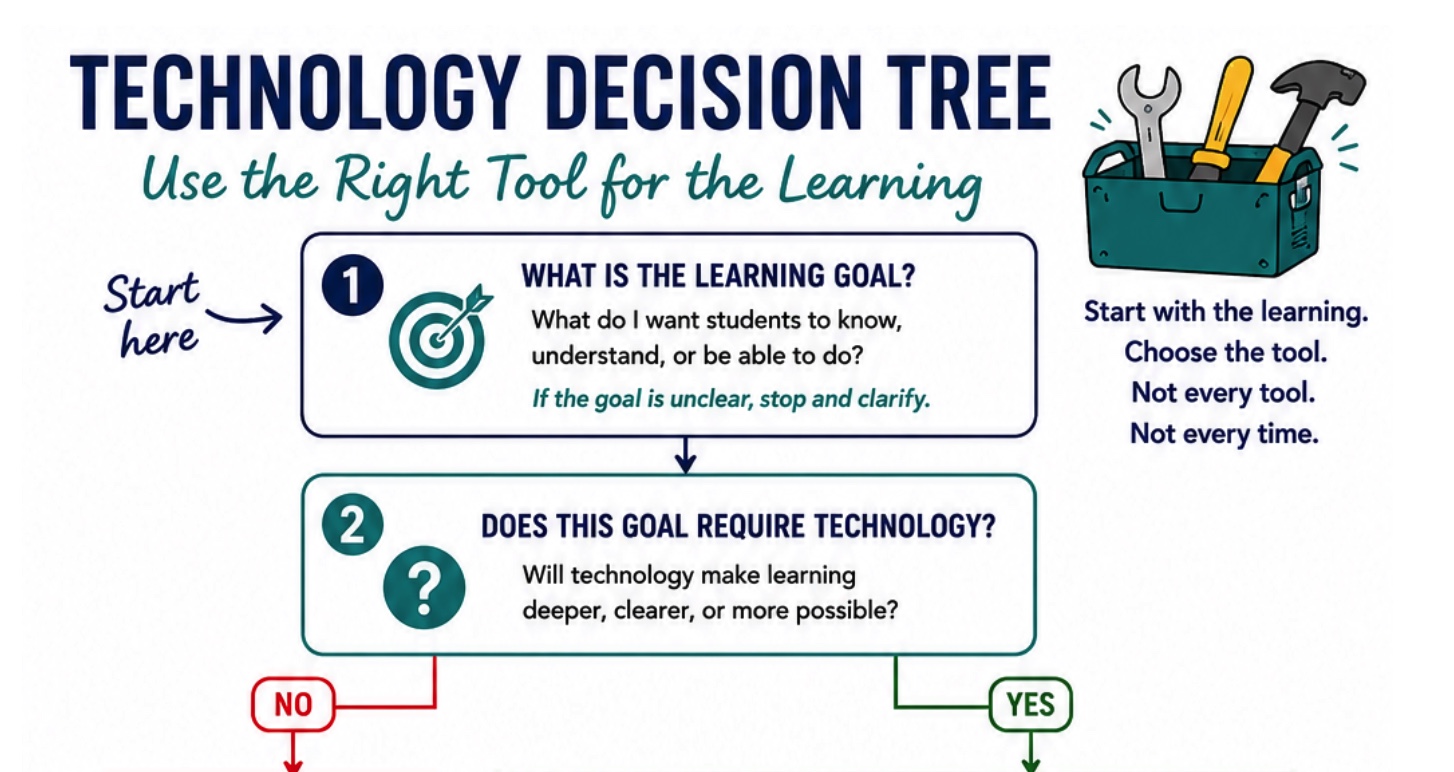
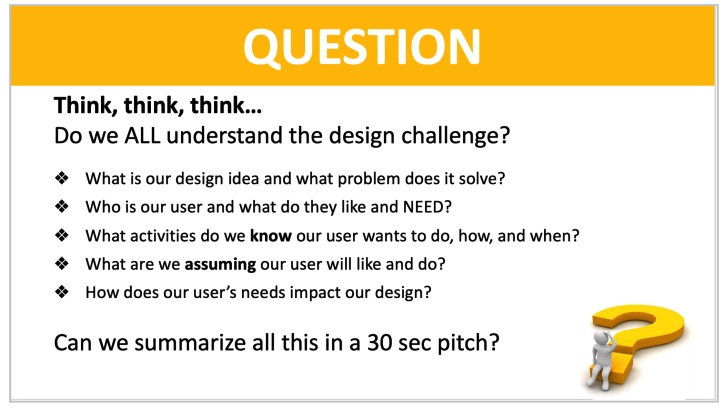
Centering Learning with Technology Co-Design Protocol

Anders, A., & D’ Angelo, C. (2026). Centering Learning with Technology Co-Design Protocol. When students use technology without understanding why, they are following directions. When they can explain how a specific tool helps them solve a specific problem, they are doing something fundamentally different. Most people don’t walk into a garage, pick up a hammer, … Read more

NSF logo

This material is supported by National Science Foundation awards #2300618 and #2300619. Any opinions, findings, conclusions, or recommendations are those of the authors and do not necessarily reflect the views of NSF.

Contact Us