
STEM Integration Through Project-Based Learning (PBL)

Ross, M. & Rae, N. (2026). STEM Integration Through Project-Based Learning (PBL).

Follow the workbook in order, or decide where to begin based on your schools’ needs:

  • Need a shared understanding of what high quality PBL looks like? Use Tool #1: Building Shared Foundations
  • Feeling unprepared to design and facilitate PBL experiences? Use Tool #2: Building Capacity
  • Need help turning an isolated PBL effort to a sustainable schoolwide model? Use Tool #3: Building a Collaborative Ecosystem
  • Need help planning a STEM integrated PBL? Use Tool #4: Building an Integrated Plan
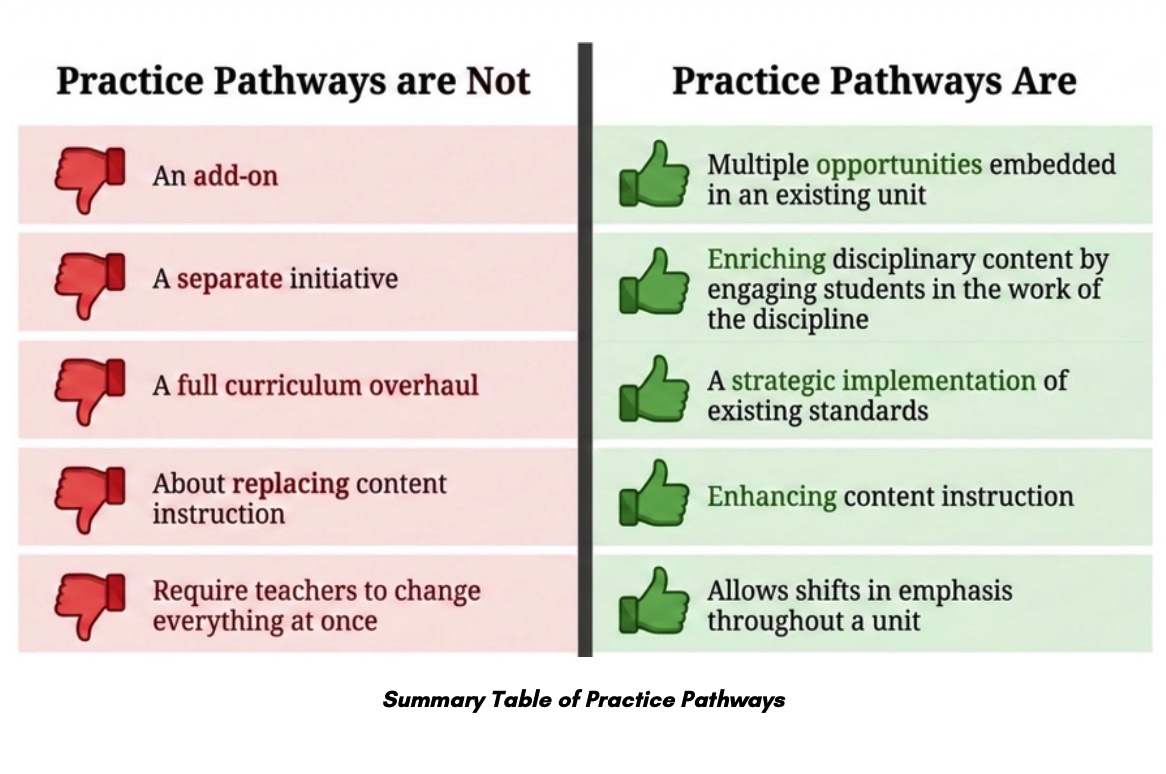
Beyond Content: Preparing Students to Solve, Communicate, and Lead with Practice Pathways

DiMaria, S. & Davis, C. (2026). Beyond Content: Preparing Students to Solve, Communicate, and Lead with Practice Pathways.

This brief provides instructional coaches and teachers in established Project Based Learning schools, with the grounding needed to explain why focusing on disciplinary practices through Practice Pathways supports deeper student learning and guidance on incorporating these practices into unit and project design.

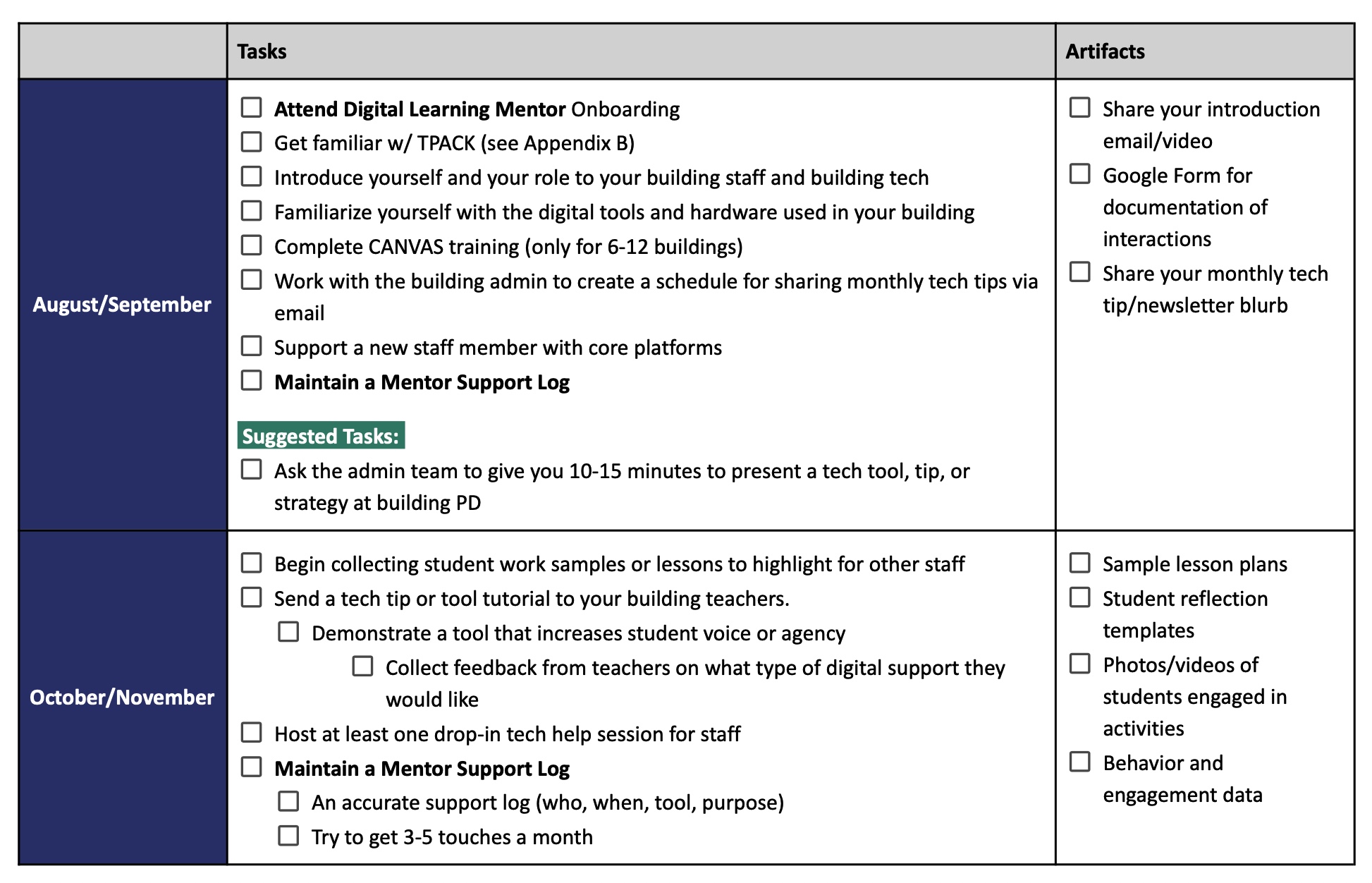
Tech with Intent: A Digital Mentor Guide

Hightower Herron, S., & Ullah, T. (2026). Tech with Intent: A Digital Mentor Guide.

This research brief addresses a problem of practice in a public school setting that supports the integration of instructional tools into K-12 classrooms, specifically the district’s limited technology integration support. To solve this challenge, this brief outlines goals, objectives, and an actionable year
long guide for building capacity for digital mentors to consistently support teachers in integrating technology into instruction. The brief provides the guide with a grounding in research that supports high norms of professional learning community practices and the implementation of Technological Pedagogical Content Knowledge (TPACK) to the participants in this work. The research brief frames how
the guide addresses role expectations, support structures, resources, instructional intents, and accountability measures for the 2026-2027 school year.

NSF logo

This material is supported by National Science Foundation awards #2300618 and #2300619. Any opinions, findings, conclusions, or recommendations are those of the authors and do not necessarily reflect the views of NSF.

Contact Us