
Your feedback helps us understand how these tools impact educational settings. After reading an RPB, please consider answering a few quick questions about its usefulness and applicability.
Bridging the Gap Between Research and Practice in K–12 Education
A long-standing challenge in education and the learning sciences is connecting the distinct yet complementary knowledge of researchers and educators. Our project addresses this gap by building meaningful, sustained collaboration between STEM coaches, and researchers, empowering each group to learn from the other. At the heart of this effort are Research-Practice Briefs (RPBs), short, practical documents that translate research into usable strategies for teaching and learning.
about RPBs
Available RPBs
STEM Integration Through Project-Based Learning (PBL)
Ross, M. & Rae, N. (2026). STEM Integration Through Project-Based Learning (PBL). Follow the workbook in order, or decide where to begin based on your schools’ needs: Need a shared understanding of what high quality PBL looks like? Use Tool #1: Building Shared Foundations Feeling ... Read More
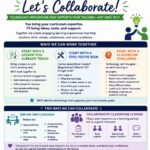
Teacher Brief: Collaborating for Effective Technology Integration
Lescault, T. & Codding, D. (2026). Collaborating for Effective Technology Integration. Technology integration is most effective when it is purposeful, collaborative, and connected to student learning goals. Collaboration between teachers and instructional technology specialists, coaches, librarians, curriculum leaders, and colleagues can help educators identify meaningful ... Read More

Building Schoolwide Capacity for Student-Centered STEM Integration
Palmer, C. & Teasley, S. (2026). Building Schoolwide Capacity for Student-Centered STEM Integration. To illustrate how schoolwide STEM implementation depends on the collective efforts of teachers, students, instructional support staff, and administrators working with STEM coaches, the five scenarios in this brief highlight common experiences ... Read More
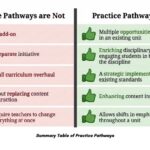
Beyond Content: Preparing Students to Solve, Communicate, and Lead with Practice Pathways
DiMaria, S. & Davis, C. (2026). Beyond Content: Preparing Students to Solve, Communicate, and Lead with Practice Pathways. This brief provides instructional coaches and teachers in established Project Based Learning schools, with the grounding needed to explain why focusing on disciplinary practices through Practice Pathways ... Read More

Digital Citizenship – A Workshop for the Community
Thompson, A. & Cook, A. (2026). Digital Citizenship - A Workshop for the Community. Why does digital citizenship education matter? Inseparable Worlds. Digital and offline life are fully integrated. Students navigate both simultaneously as a single reality. Safe Spaces. Schools provide a supportive, structured environment ... Read More

Recipe for Lesson Planning
Yeadon, B., & Kelley, C. (2026). Recipe for Lesson Planning. Just as a master chef follows a recipe while adding creativity and expertise, effective teachers use intentional planning to create meaningful learning experiences. A lesson plan is more than a schedule of activities, it is ... Read More
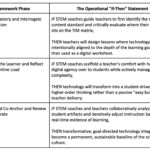
The MIRROR Framework
Taylor, L., & Shimoda, T. (2026). The MIRROR Framework. The MIRROR Framework (Map the mastery, Interrogate the integration, Release to the learner, Reflect on the cognitive load, Observe and co-anchor, Review and recalibrate) is a multi-tiered coaching blueprint for STEM instructional coaches. It helps them ... Read More
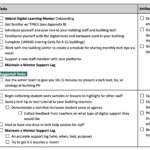
Tech with Intent: A Digital Mentor Guide
Hightower Herron, S., & Ullah, T. (2026). Tech with Intent: A Digital Mentor Guide. This research brief addresses a problem of practice in a public school setting that supports the integration of instructional tools into K-12 classrooms, specifically the district’s limited technology integration support. To ... Read More
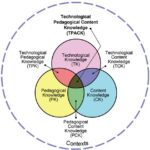
Memphis School of Excellence Technology Integration Guide
Ware-Royal, K., & Widman, S. (2026). Memphis School of Excellence Technology Integration Guide. Technology alone does not transform learning. The impact comes from how teachers use technology to support strong instruction, meaningful learning experience, and student ownership. Before choosing a technology tool, consider the connection ... Read More
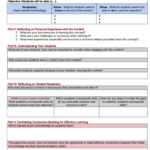
Facilitating Teacher Thinking on Cultivating Third Spaces in STEM Classrooms
Ehrmann, A., & Sushil, S. (2026). Facilitating Teacher Thinking on Cultivating Third Spaces in STEM Classrooms This brief presents a resource (Appendix A) to help teachers consider the relevant funds of knowledge that they and their students bring to learning the content (Moll et al., ... Read More
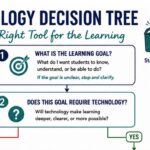
Centering Learning with Technology Co-Design Protocol
Anders, A., & D’ Angelo, C. (2026). Centering Learning with Technology Co-Design Protocol. When students use technology without understanding why, they are following directions. When they can explain how a specific tool helps them solve a specific problem, they are doing something fundamentally different. Most ... Read More

A Survey Tool to Reveal Student Thinking
McGuinness, K., Hodges, M., & Rutherford, T. (2026). A Survey Tool to Reveal Student Thinking. Supporting the communication skills of English learners and others from marginalized backgrounds is a unique discipline-specific challenge for teachers. Although listening, speaking, reading, and writing can be conceptualized as broad ... Read More
Educational AI Implementation Guidelines
Mays, M., & Harper, A. (2026). Educational AI Implementation Guidelines. As the AI landscape continues to expand, schools are developing policies and procedures to ensure learning environments and their stakeholders (i.e., Leaders, teachers, instructional coaches, parents, and students) are adequately prepared for the future. In ... Read More
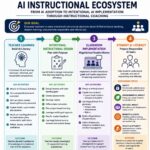
Beyond AI Adoption: Building an AI Instructional Ecosystem Through Instructional Coaching
Sadik, O., & De Los Reyes, J. (2026). Beyond AI Adoption: Building an AI Instructional Ecosystem Through Instructional Coaching. This Research Practice Brief presents the AI Instructional Ecosystem, a coaching-supported professional learning framework designed to move schools from AI adoption toward intentional AI implementation. Rather ... Read More
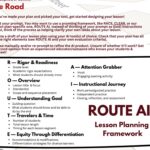
Best Practices for AI-Supported Lesson Planning: A Research Practice Brief for Teachers New to AI Infographic
Cannon, N. & Burris, S. (2026). Best Practices for AI-Supported Lesson Planning: A Research Practice Brief for Teachers New to AI Infographic. This brief is designed to support teachers who are new to AI in their exploration of incorporating–or making decisions not to use–AI in ... Read More
AI Literacy in Action: A practical guide for teaching, learning, and leadership
Humburg, M., Moore, A. & Duda, S. (2026). AI Literacy in Action: A practical guide for teaching, learning, and leadership. AI is an umbrella term encompassing many different types of artificial intelligence. While there are many benefits to using AI tools, it is still a ... Read More
From Teaching Digital Citizenship to Cultivating a Culture of Digital Literacy
Thompson, A., & Borge, M. (2025). From Teaching Digital Citizenship to Cultivating a Culture of Digital Literacy. We live in a time when children's lives, behaviors, and experiences are being documented online, meaning that the things they do, the choices they make, and the mistakes ... Read More
Scaffolding Engagement for All Learners in Project-Based Learning
McGuinness, K., & Rutherford, T. (2025). Scaffolding Engagement for All Learners in Project-Based Learning. Project-Based Learning (PjBL) has been part of the educational landscape for many years and teachers are motivated to include PjBL in their classrooms for its benefits on student motivation, engagement and ... Read More
Teachers Who Design for Possibility: A Practitioner Brief on Education Technology for Empowerment
Jules, B., & Walker, J. (2024). Teachers Who Design for Possibility: A Practitioner Brief on Education Technology for Empowerment. Learning in the 21st century requires educators to freely leverage education technology to open up possibilities that elevate and empower students to innovate and participate in ... Read More
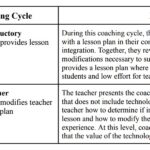
A Scaffolded Model of Responsive Instructional Coaching for Managing Teacher Technological Instructional Overhead
Chandler, B., & Tofel-Grehl, C. (2024). A Scaffolded Model of Responsive Instructional Coaching for Managing Teacher Technological Instructional Overhead. As coaches, our effort begins from a place of learning from our teacher partners. In order to develop and map out a faded scaffold coaching cycle, ... Read More

AI Ethics Conversation
Humburg, M., & Moore, A. (2024). AI Ethics Conversation. AI is an umbrella term encompassing many different types of artificial intelligence. While there are many benefits to using AI tools, it is still a growing field, and there are limitations to what current AI models ... Read More